

Architectural Visualization & 3ds Max: Selling Construction Projects Faster
In the competitive world of modern construction, winning a bid or securing client approval often comes down to one thing: the ability to sell a vision. Clients rarely look at 2D blueprints with the same excitement or clarity as a photorealistic render. This is why high-end visualization has moved from a "nice-to-have" luxury to a fundamental business tool for construction firms and architectural studios. As the industry standard for these visualizations, 3ds Max remains the primary software choice, enabling pros to turn conceptual sketches into tangible, immersive digital experiences.
Bridging the Gap Between Blueprint and Built
The goal of any high-end visualization is to remove the guesswork for the client. Whether it’s showcasing the texture of a specific facade material, the natural lighting of an interior, or the scale of an urban development, a render speaks the universal language of design. However, the quality of that render depends entirely on the assets within the scene. For professionals, the search for high-quality 3ds Max 3D models is a constant task, as the difference between a generic-looking scene and a photorealistic masterpiece often lies in the details—the furniture, the foliage, and the precisely modeled architectural elements.
Efficiency in the Design Phase
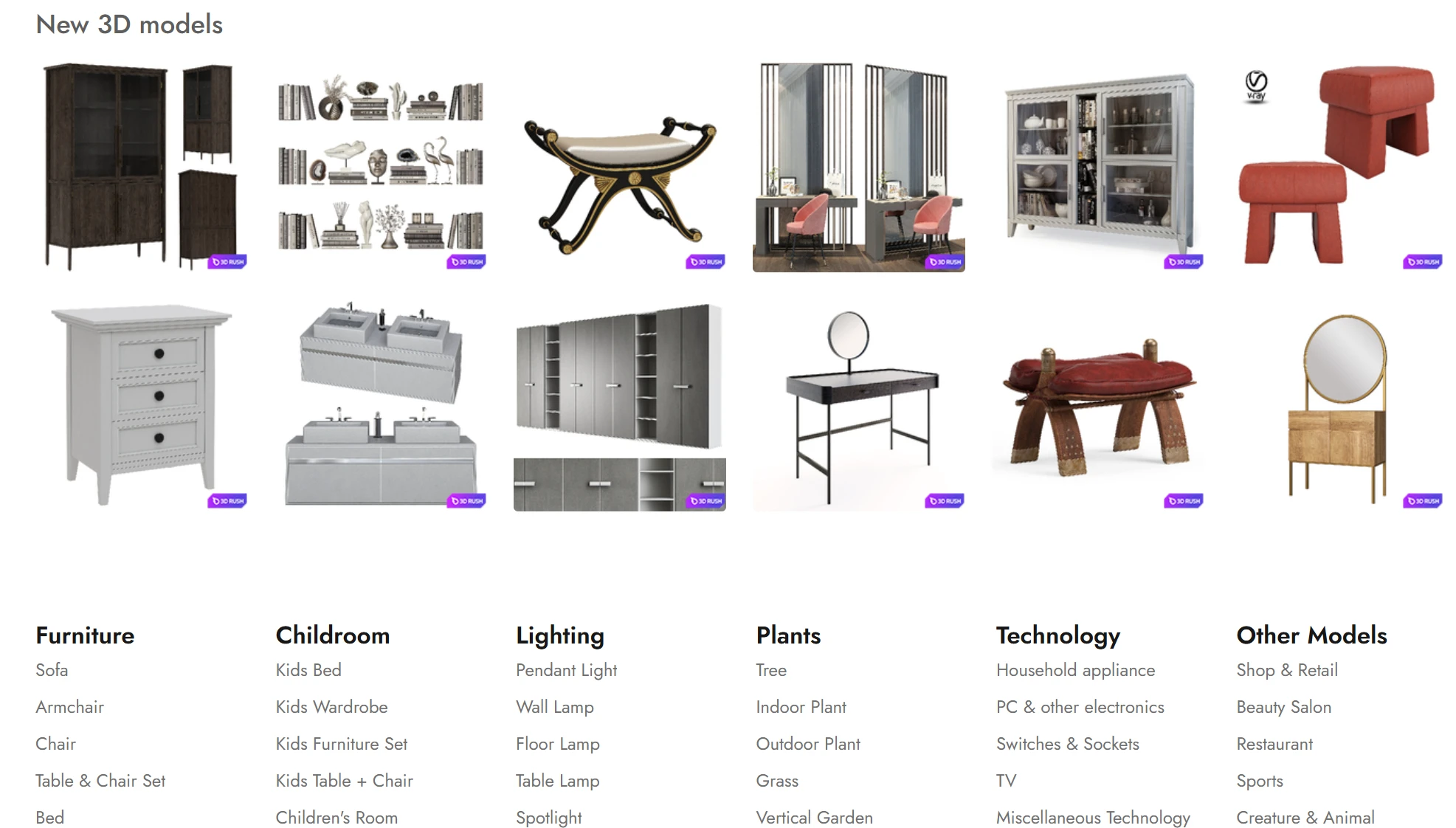
Construction firms often operate under tight deadlines, meaning they cannot afford to spend days modeling every single element of a site design. The most successful teams have optimized this workflow by utilizing professional asset libraries. Instead of modeling from scratch, architects and designers source specific, ready-to-use architectural and construction-related 3D models that integrate seamlessly into their scenes. This allows the visualization team to focus on the overall composition and lighting, ensuring the final image accurately represents the construction project while keeping the production timeline short.
Scaling Up for Success
As projects grow in complexity, so does the need for a reliable asset management strategy. For studios handling multiple high-stakes construction projects simultaneously, the traditional method of buying individual models is becoming obsolete. The industry is shifting toward subscription plans, which provide teams with a vast, curated repository of professional assets. This not only keeps the production budget predictable but also ensures that the visualization team always has access to the latest, most detailed assets required to showcase new materials and modern architectural styles. By investing in the right digital tools, construction firms can present their work with a level of clarity that leaves no room for doubt, turning complex plans into compelling sales assets.